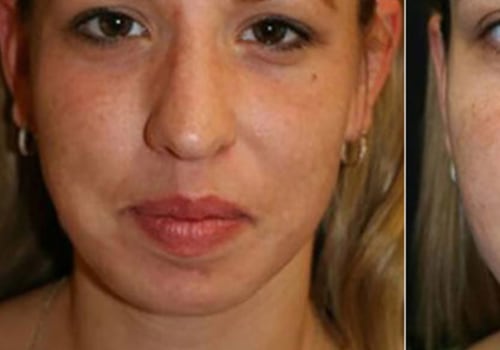
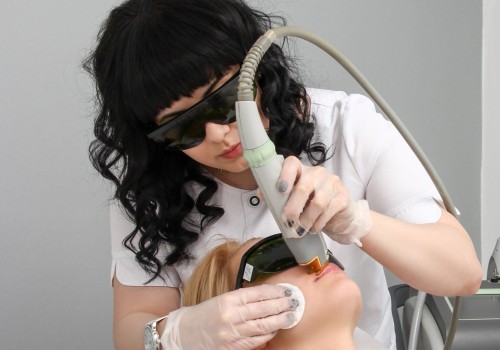
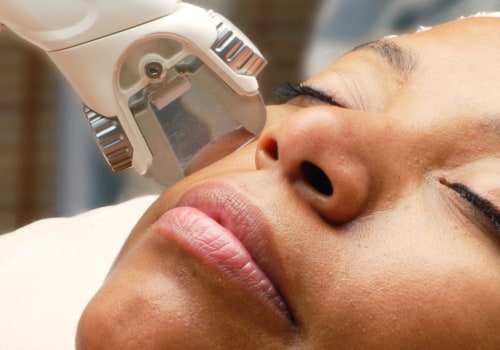
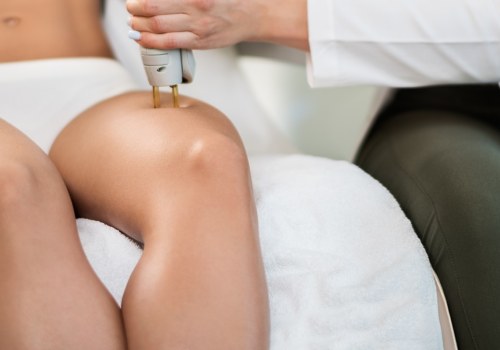
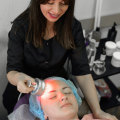
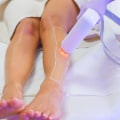
Laser hair removal is a cosmetic procedure that uses concentrated light energy to target hair follicles and reduce hair growth over time. It is commonly performed on areas such as the legs, underarms, face, bikini area, back, and arms. Because hair growth patterns, skin tones, hair colors, and treatment responses vary, results can differ from person to person. Multiple sessions are generally needed because hair follicles respond differently depending on their growth cycle. Before scheduling treatment, individuals should consult a qualified provider to determine whether laser hair removal is appropriate for their skin and hair characteristics. A professional consultation can also provide an opportunity to discuss expected results, potential side effects, treatment intervals, and aftercare requirements.
Preparing Before Your Appointment
Following preparation instructions can help create a smoother treatment experience. Patients are commonly advised to avoid waxing, plucking, or other methods that remove the hair from the root for a period before treatment because the follicle needs to remain present for the laser to target it. Shaving may be recommended instead, depending on the provider's instructions. Individuals should also discuss recent sun exposure, tanning, skincare products, medications, and previous reactions with their provider. Some products or medications may affect skin sensitivity and could influence whether treatment should be delayed. Following personalized instructions is important because preparation requirements can vary according to the laser system and individual skin characteristics.
Prioritizing Skin Comfort
Skin condition can influence how comfortable laser hair removal feels. Patients should arrive with clean skin and generally avoid applying products such as lotions, deodorants, or fragrances to the treatment area unless instructed otherwise. Sun exposure may increase the risk of unwanted skin reactions, so providers often emphasize appropriate sun protection before and after treatment. During the procedure, patients may experience warmth, tingling, or a snapping sensation, although comfort varies between individuals and treatment areas. Some devices include cooling features designed to improve comfort. Patients should communicate openly with their provider if the treatment feels unusually painful or if they have concerns about their skin.
Managing Expectations and Emotional Comfort
Cosmetic procedures can involve emotional considerations as well as physical ones. Some individuals may feel nervous before their first appointment, particularly if they are unfamiliar with the technology or concerned about discomfort. Learning what to expect and asking questions during the consultation can reduce uncertainty. It is also important to maintain realistic expectations because laser hair removal typically reduces hair growth rather than guaranteeing permanent removal. Hair may become finer or less noticeable over time, and maintenance treatments may be recommended. Individuals should pursue cosmetic procedures because they personally want them rather than because of pressure from others or unrealistic beauty standards.
Supporting Overall Well-Being
A comfortable cosmetic experience can be supported by considering emotional wellness alongside physical preparation. People who experience significant anxiety about appearance, medical procedures, or personal confidence may benefit from discussing these concerns with a qualified professional. Resources such as Cabot Psychological Services Minneapolis can provide psychological support for individuals dealing with anxiety, stress, self-esteem concerns, or other emotional challenges. Professional mental health support can complement cosmetic care by helping individuals develop healthy coping strategies and maintain realistic perspectives about appearance.
Following Aftercare Instructions
After laser hair removal, patients should follow the provider's specific aftercare recommendations. The treated area may experience temporary redness, sensitivity, or mild swelling, which can vary depending on the individual and treatment area. Protecting treated skin from excessive sun exposure and using recommended skincare products can help support recovery. Patients should also contact their provider if they experience unexpected or severe symptoms. Ultimately, preparation involves more than simply arriving for an appointment. Understanding the procedure, communicating health information, following preparation guidelines, maintaining realistic expectations, and caring for the skin afterward can contribute to a more comfortable experience. By approaching laser hair removal as an informed personal choice and prioritizing both physical and emotional well-being, individuals can make the process more manageable and feel more confident about their aesthetic goals.